


Tips & Trends
Finding Your Perfect Mascara Match
Mascara is arguably the most transformative tool in your makeup bag. It has the power to open up tired eyes, add a touch of drama to a professional look, or provide a polished finish on "no-makeup" days. However, with hundreds of brush types and formulas available, the choice can be overwhelming.

1. Select Based on Your Natural Lash Type
- Short Eyelashes: Focus on "Length" and "Definition." Look for thin, plastic combs that can grab lashes right at the root to extend them outward.
- Long Eyelashes: You already have the length; now you need "Volume." Look for large, fluffy brushes with dense bristles to coat every lash for a fuller appearance.
- Sparse or Thin Eyelashes: Choose a "Volumizing" or "Thickening" formula. These often contain waxes and fibers that wrap around each individual hair to make the lash line look denser.
- Straight Eyelashes: The key here is "Curl" and "Waterproof." Waterproof formulas are stiffer and act like hairspray, holding the curl in place all day without sagging.
2. Select Based on the Occasion
The Natural Look: For daily wear, opt for a brown or "soft black" mascara with a defining formula that separates lashes without clumping.
The Bold Look: For evening events, seek out "High Pigment" or "Carbon Black" formulas. These provide a deep, dramatic contrast that makes the whites of your eyes pop.
Pro Artist Bonus Tips!
- The Powder Trick: Apply a light dusting of translucent loose powder to your lashes between the first and second coat for instant DIY volume.
- Stop the "Pump": Never pump your mascara wand in and out of the tube. This pushes air inside, which dries out the formula and introduces bacteria. Instead, swirl the wand gently.
- The Expiry Rule: Mascara has the shortest shelf life of all makeup. Replace it every 3–6 months to avoid eye infections and ensure the smoothest application.
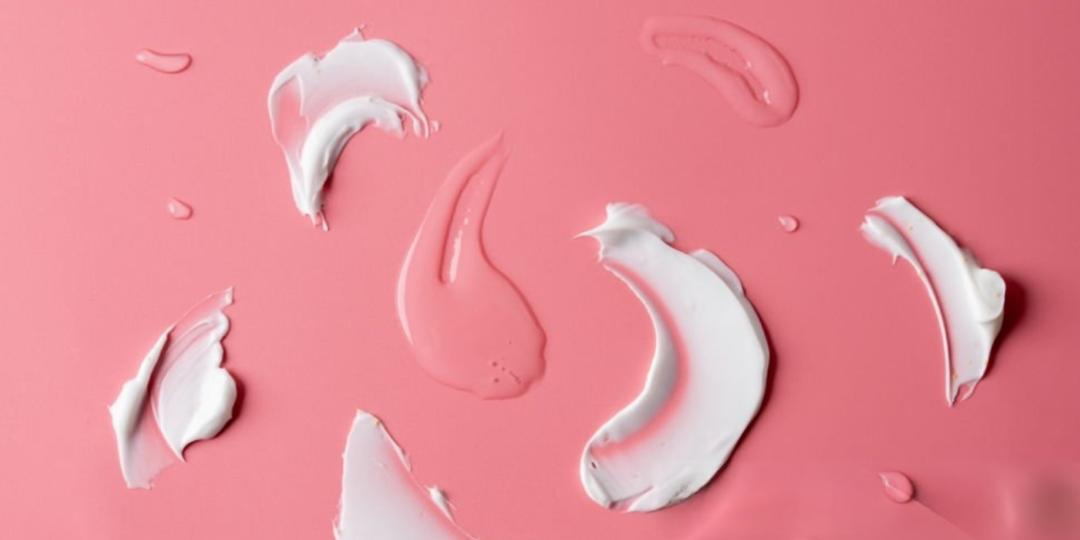
Hydrating vs. Moisturizing: They Are Not the Same
Think of hydration as the water in the glass, and moisturizing as the lid that keeps it from spilling.
In the beauty industry, the terms "hydrating" and "moisturizing" are often used interchangeably, but they address two distinct biological needs of your skin. Understanding this difference is the secret to moving past stubborn dryness and achieving that coveted healthy glow. To maintain youthful, resilient skin, you must master the balance between both.
At a molecular level, hydration refers to the water content within the skin cells themselves. When cells are well-hydrated, they expand, giving the skin a plump, bouncy, and light-reflective quality. On the other hand, moisturization is about your skin’s ability to trap that water. This involves the skin barrier—a fatty seal of lipids that prevents "trans-epidermal water loss" (TEWL).
Dehydrated skin is a condition caused by external factors like air conditioning, caffeine, or weather, leading to a dull complexion and more visible fine lines. Even oily skin can be dehydrated! Dry skin, however, is often a skin type that lacks natural oils (sebum) and requires rich moisturizers to repair the protective barrier and stop flaking or redness.
Which One Does Your Skin Need?
If your skin feels tight but looks shiny, you likely need hydration. If your skin is flaky and feels rough to the touch, you need moisturization. Most people in tropical climates benefit from a lightweight hydrator followed by a breathable moisturizer to lock everything in.
The Power of Humectants (For Hydration)
Humectants act like magnets, pulling moisture from the air into your skin. Look for these in your serums and essences:
- Hyaluronic Acid – A superstar molecule that can hold up to 1,000 times its weight in water.
- Glycerin – A tried-and-true ingredient that deeply penetrates the skin for long-lasting softness.
- Aloe Vera – Perfectly suited for soothing inflammation while delivering an instant water boost.
- Panthenol (Vitamin B5) – Excellent for healing the skin while drawing in essential moisture.
The Power of Emollients & Occlusives (For Moisturizing)
These ingredients smooth the skin's surface and create a seal to prevent dehydration:
- Ceramides – Essential lipids that repair the "mortar" between your skin cells to strengthen the barrier.
- Squalane – A lightweight, non-comedogenic oil that mimics your skin's natural sebum.
- Shea & Cocoa Butter – Rich, fatty protectors ideal for dry patches and nighttime repair.
- Watermelon Oil – A trending antioxidant-rich oil that seals in hydration without a heavy feel.
The takeaway? Drink your water to hydrate from the inside, apply a humectant serum to hydrate from the outside, and always "seal the deal" with a quality moisturizer twice daily.